Shenzhen Dongbanghong Plastic Cement & Hardware Products Co., Ltd.
We do not ship a plastic part. We deliver a complete set of engineered plastic components that keeps your motor stable across its service life.
View Solutions Send Us Your Duty CycleThe problem we solve
Electromagnetic design defines what a motor can do. The engineered plastics decide whether it still does it after ten thousand hours. Trace these five failure modes to root cause and you usually land on plastic material, geometry or batch-to-batch consistency.
Fan blade profile and running clearance set actual airflow. Too little airflow and winding temperature climbs, insulation ages faster, and service life falls off a cliff.
End plate concentricity and gear mesh accuracy drive running noise directly. Dimensional drift in production makes noise creep upward batch after batch.
Insufficient tracking resistance and creepage distance on bobbins and brush holders leads to tracking and breakdown under humidity, high voltage or dust.
The fit between brush holder and brush tube determines how well the brush follows the commutator. Too loose causes arcing and EMI; too tight causes sticking.
Gear material and tooth accuracy set gearbox life. Once wear starts, noise and backlash degrade together — and it does not come back.
What we are responsible for inside a motor
A brushed DC motor, as an example. Metal parts define electromagnetic performance; the plastic components highlighted in orange define assembly accuracy, insulation, cooling and noise — which is where real-world reliability is actually won or lost.
System solutions
Plastic components do completely different jobs depending on motor topology. We scope by complete motor type, supply the full set, and take responsibility for how the parts fit each other — instead of pushing tolerance stack-up back onto your assembly line.
End plates, brush holders / cards, brush tubes, end caps / brackets, cooling fans
Brush follow-up and commutation stability, end plate concentricity, brush tube clearance
Coil bobbins, end plates, housings, cooling fans
Winding insulation and slot fill, unobstructed cooling path, Hall sensor positioning
Coil bobbins, cooling fans, end plates
Thermal resistance and balance at high speed, bobbin tracking resistance, long-term heat ageing
Coil bobbins, end plates, housings
Thermal and dimensional stability under continuous duty, creepage distance
Plastic gears, gearbox housings and fittings
Tooth accuracy and mesh noise, wear life, backlash control
Coil bobbins, end plates, precision structural parts
Tolerance bands at small scale, concentricity, assembly consistency
Reliability control
Every component has to satisfy all five at once. Material selection, part design and production control all exist to serve these five.
We match comparative tracking index (CTI), creepage distance and volume resistivity to the duty cycle, so the part does not track or break down under humidity, voltage stress or dust.
Materials are selected with heat deflection temperature (HDT) and continuous service temperature above the winding rise plus ambient, avoiding softening, warpage and creep.
We control moulding shrinkage and moisture-driven distortion so that concentricity and geometric tolerances hold across the batch and across the service life.
For gears and sliding fits we choose self-lubricating, low-wear materials and control tooth geometry to suppress noise and backlash.
We select raw materials at the UL94 rating and certifications your end product requires, and support you through final equipment approval.
Co-development
We would rather be involved before your drawing is finished. The earlier we join, the more tooling changes and pilot-run iterations we can save you.
Voltage, speed, temperature rise, humidity, dust, service life and the safety standard you are targeting.
Recommended and alternate materials based on actual load, thermal, insulation and wear requirements.
Wall thickness uniformity, draft, shrinkage and warpage risk, and how the assembly tolerance chain is allocated.
Mould layout, gate location and cooling design, balancing cosmetics against dimensional stability.
Full dimensional inspection of first articles, in-motor testing, and every issue tracked to closure.
Locked moulding parameters, batch control, incoming and outgoing inspection — holding the state the first article proved.
Materials
There is no universal material, only the right match for a duty cycle. These are the resins most used in micro motor plastics, and the real reason each gets chosen.
| Material | Typical application | Why it gets chosen |
|---|---|---|
| PA66 / PA66+GF | End plates, brush holders, structural brackets | Balanced strength and thermal performance; glass fibre adds rigidity and dimensional stability |
| PBT / PBT+GF | Coil bobbins, brush holders | Excellent electrical properties, low moisture uptake, stable as moulded — ideal for insulating parts |
| PPS | High-temperature bobbins, end plates | Sustained high-temperature and chemical resistance for severe duty cycles |
| POM | Plastic gears, sliding parts | Self-lubricating, wear resistant, high fatigue strength — the default choice for gears |
| PET+GF | Precision structural parts | High rigidity and dimensional stability for tight tolerance bands |
| PPO / PPE | Insulating parts, housings | Very low water absorption, stable dimensions, easily flame-retardant modified |
| PP / PA6 | Cooling fans, housings | Tough and cost-effective for lightly loaded cooling and protective parts |
Component catalogue
Exact specification, resin and tooling approach are defined by your motor model and duty cycle. Drawings or samples welcome.
Locates and supports the motor end; sets concentricity
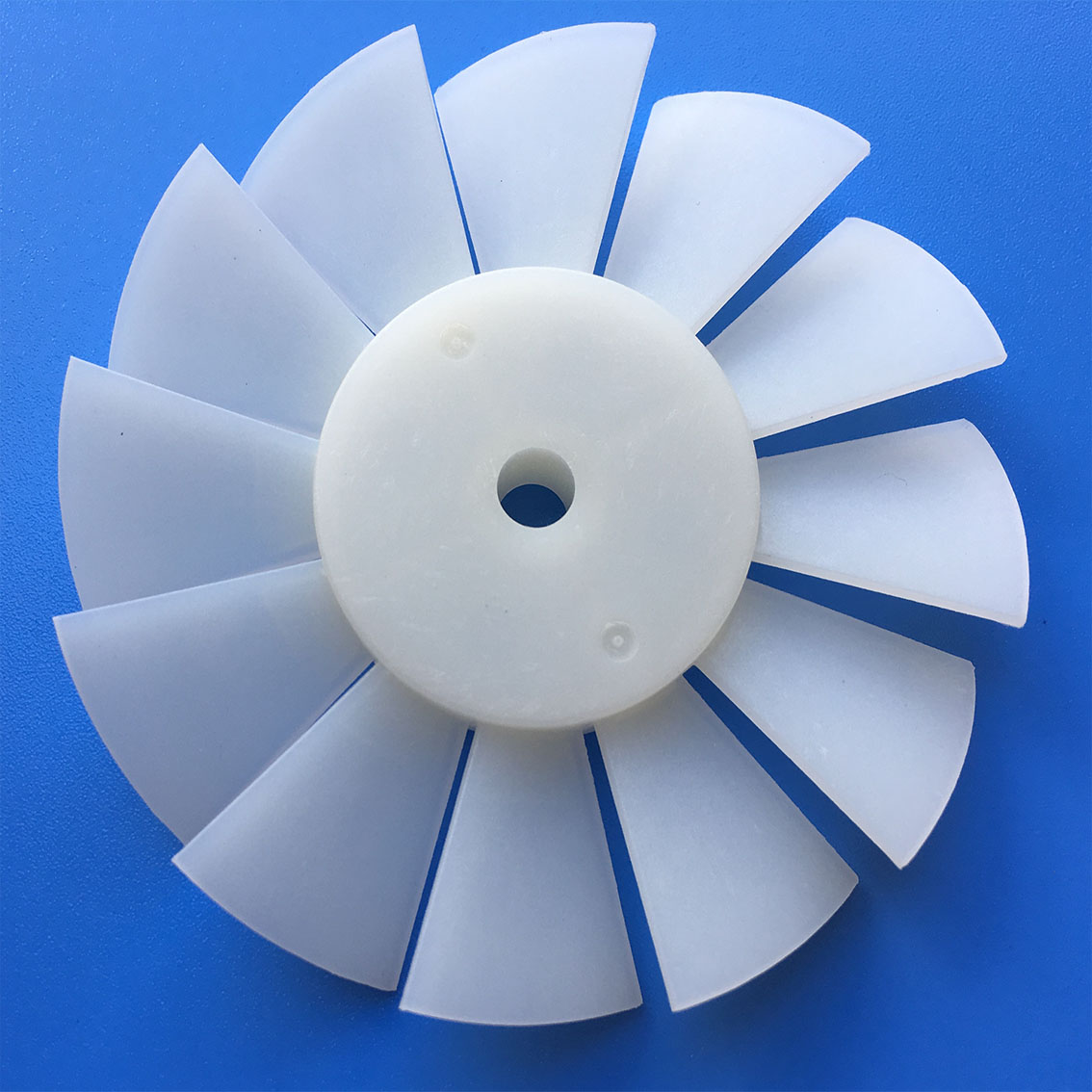
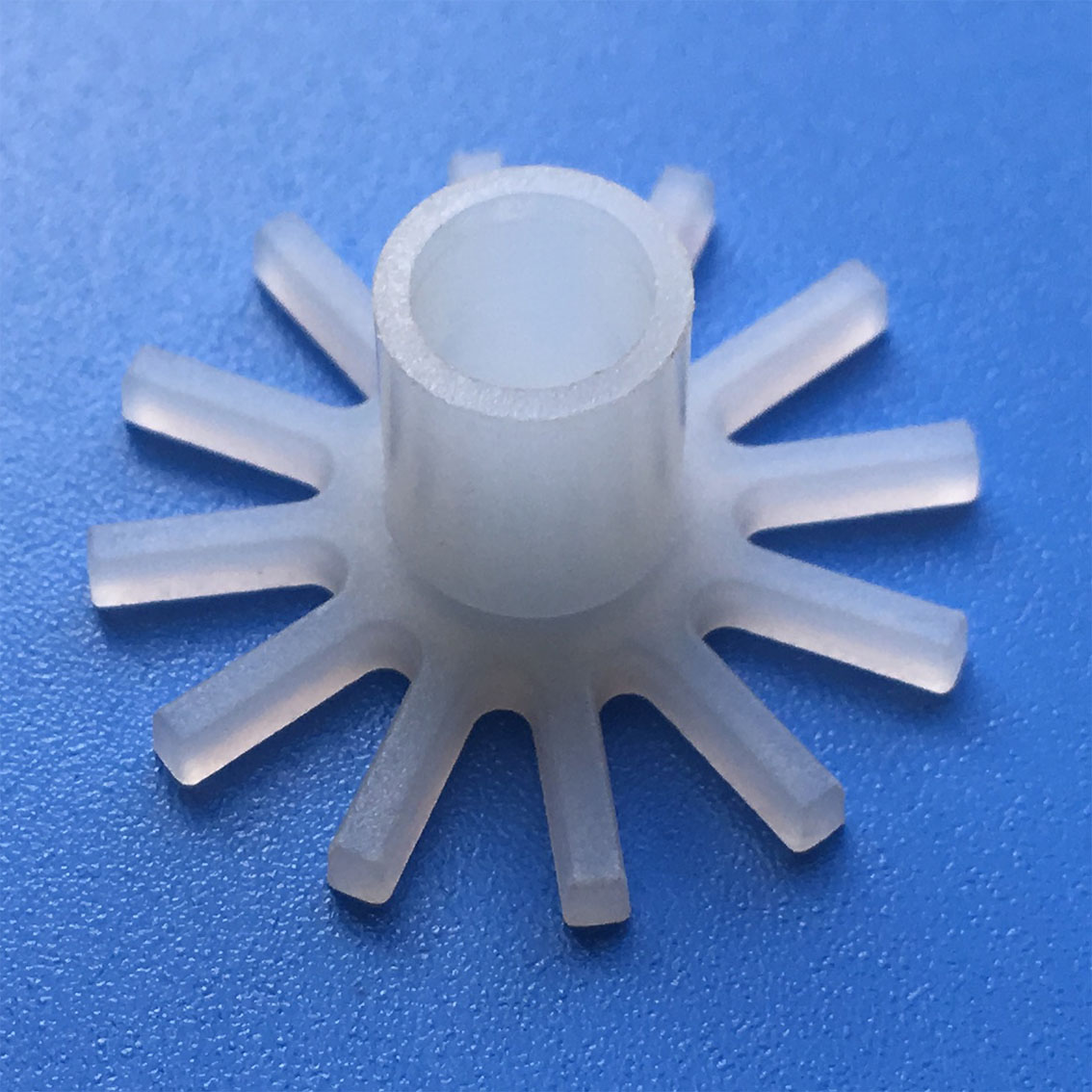
Rotates with the rotor; blade profile sets airflow
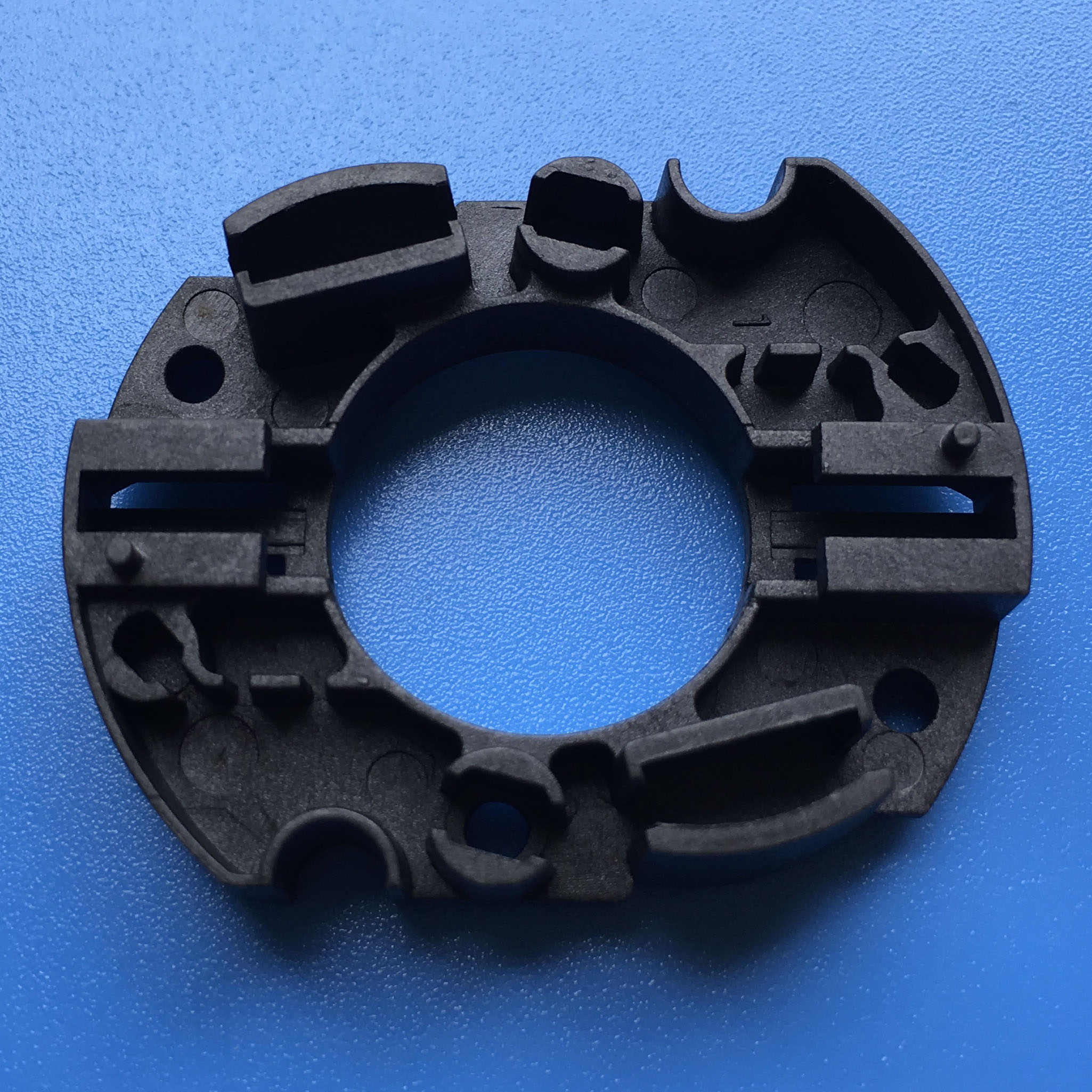
Carries the brush assembly; insulates and locates
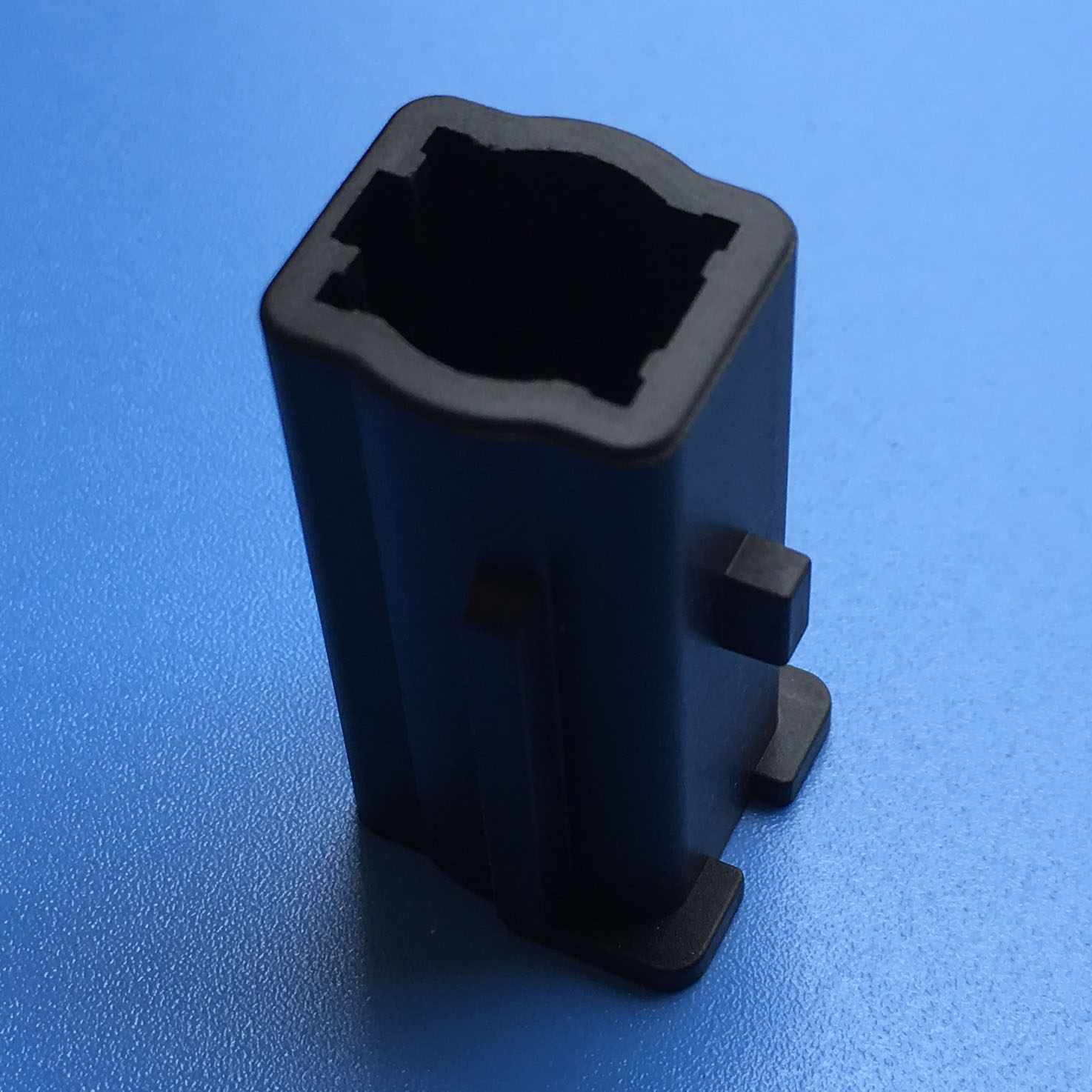
Guides brush travel; clearance sets follow-up
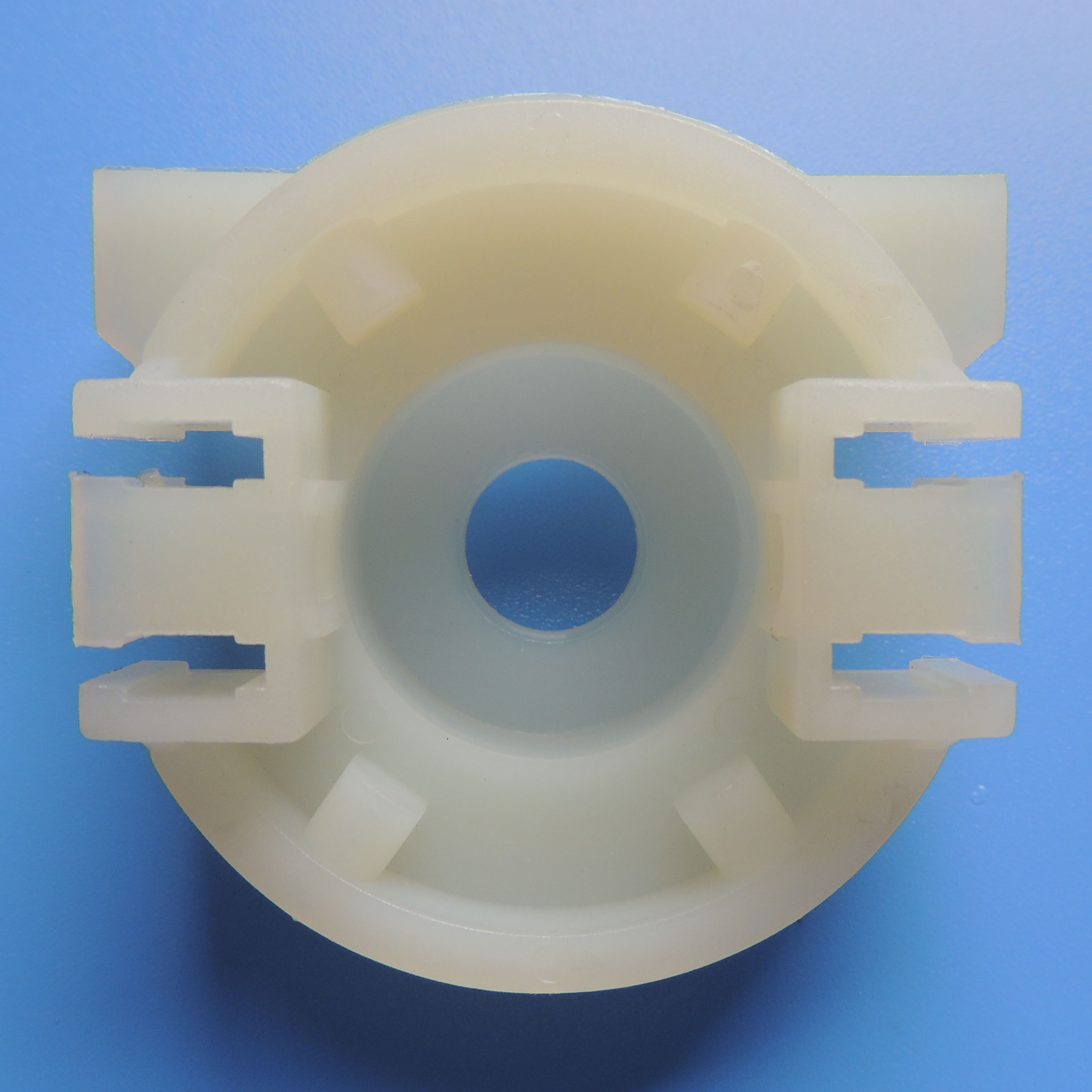
Front and rear covers with bearing support
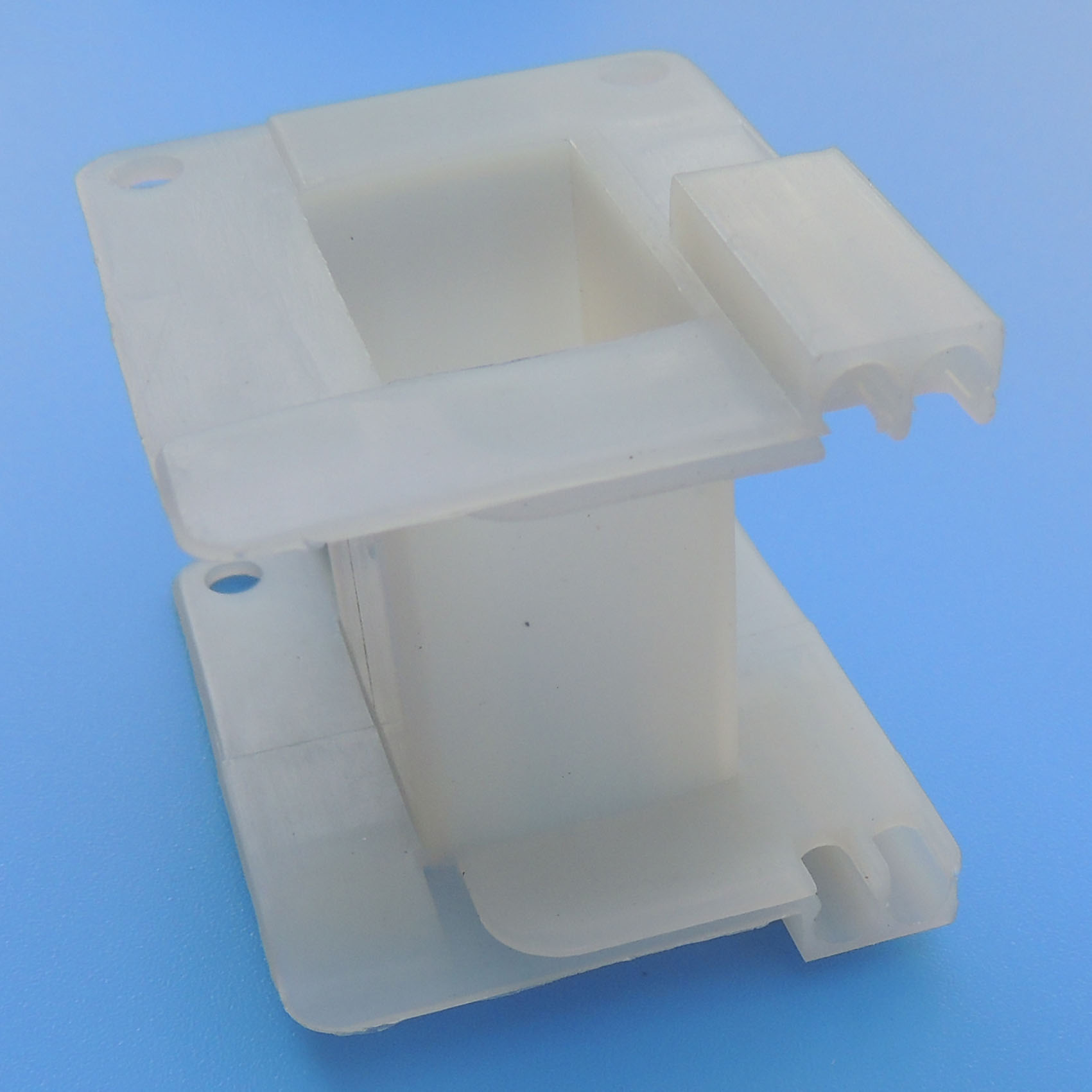
Winding former; handles wire location and insulation
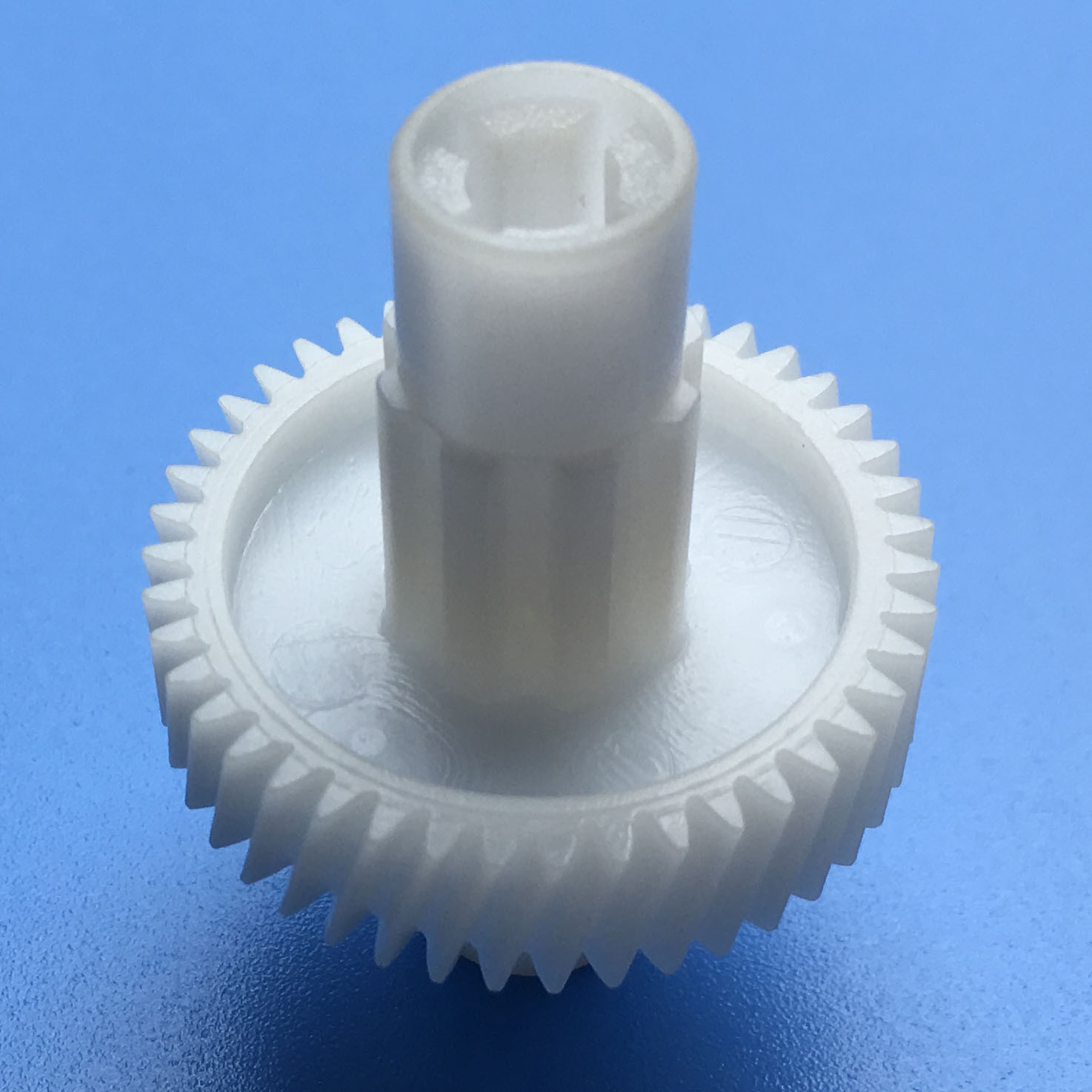
Transmission and reduction gearing
Gearbox bodies and their matching plastic parts
Housings and non-standard plastic structural parts
Applications
About us
Shenzhen Dongbanghong Plastic Cement & Hardware Products Co., Ltd. develops and manufactures engineered plastic components for micro motors. We build parts around how the motor is assembled and how it has to survive in service — not simply to the print.
We prefer to be involved while the design is still open, so material, geometry and tolerance issues get resolved before the tool is cut. That is far cheaper than fixing them afterwards, and it is why we position ourselves as a solution partner rather than a parts vendor.
Every micro motor deserves plastic core components it can rely on
To become the most trusted development and manufacturing partner in engineered plastics for micro motors worldwide
Contact
Send the motor model, operating conditions and target cost, and what comes back is a component recommendation — not just a unit price. Drawings or samples make it faster.
Building C, Shuangli Technology Industrial Park, No. 45 Pingxi South Road, Longgang District, Shenzhen, Guangdong, China